ChromeOS needs to steal Apple’s Continuity Camera feature in iOS 16
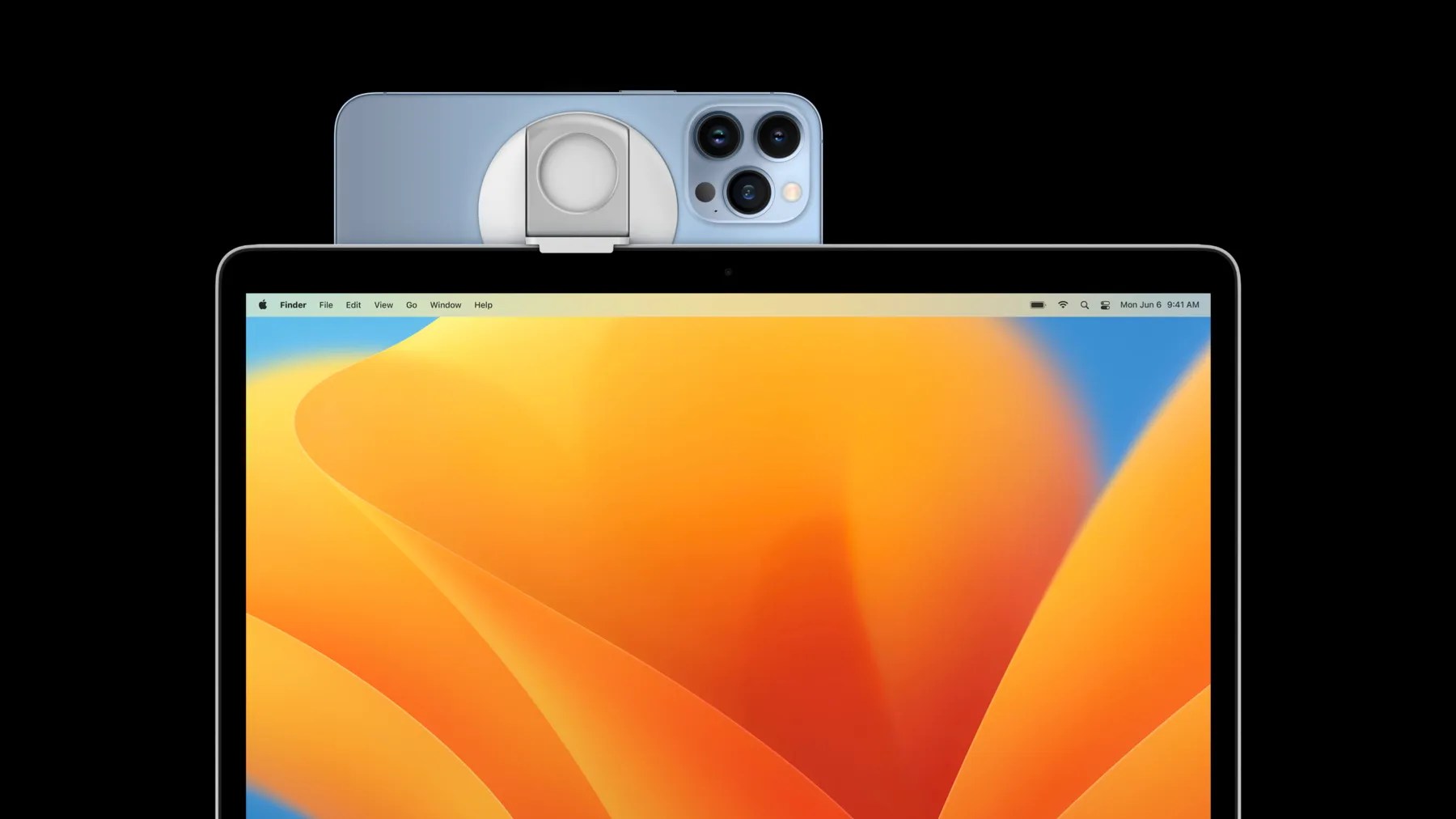
At Apple I/O 2022, the company announced its flashy new hardware and software, includinga powerful new M2 chipset, redesigned MacBook Air and 13-inch Macbook Pro, as well as iOS 16. Despite all the hubbub, one feature caught my eye: Continuity Camera. With the recent release ofMacOS Venturaand iOS 16, Mac users are able to use their iPhones as a webcam without any fiddly setup. It’s exactly the kind of thing I’d expect from Apple because the company loves hardware integration. It’s also something I think Google should adapt for ChromeOS.
Sign up forfree
Forgot your password?
Create an account
*Required: 8 chars, 1 capital letter, 1 number
By continuing, you agree to thePrivacy PolicyandTerms of Use.You also agree to receive our newsletters, you can opt-out any time.

The new Continuity Camera feature definitely isn’t an entirely new idea—here are apps for both Mac and Windows that accomplish roughly the same thing, and many of them work quite well. But they also require research, setup, USB cables, and occasionally money. An OS-level feature that cuts out the majority of the legwork is worlds different from hacky third-party solutions—people might actually use it.
Phone Hub running on Chrome OS.
Cross-device functionality like this is big in Apple’s ecosystem, but Google’s been making strides toward similar integrations for its own platforms. ChromeOS’sPhone Hublinks your Chromebook to your Android phone, making it easy to share notifications, texts, and even mobile data between the two devices. Compared with Apple’s suite of Continuity features, Phone Hub is pretty sparse, but a Continuity Camera-like feature seems like a natural extension of the functionality.
Most existing ChromeOS devices already have cameras built in, but being webcams, they’re not very good — particularly the ones in lower-end models. Chromebooks as a whole would stand to benefit more from a feature like this than MacBooks do; Apple’s webcams aren’tgreat,but they’re better than the built-ins you’ll find in budget laptops. Remote work isn’t going away, either, and effortless, high-quality video calls could be a very compelling selling point for Google’s platforms.

Controlling both the hardware and the software, Apple has a clear advantage over Google here — any ChromeOS feature needs to work across hundreds of different device types, whereas Apple only has to optimize for a few models. In Apple’s Continuity solution, your iPhone populates in your Mac’s list of available webcams, and the system can even switch to your phone’s camera automatically when the two devices connect (though developers will need to build support for that last bit into their apps). Given Phone Hub’s state, a Chrome OS equivalent surely wouldn’t work as seamlessly, but a simpler solution that essentially dials into a single video meeting with two separate devices would go a long way toward replicating the experience — with video input from your phone’s camera and video output on your monitor.
Throughout the year, Apple has announcedseveral features that were first available on Google, while Google announced features that first appeared on Apple products. It’s just how big tech works: companies iterate on their competitors' ideas practically as much as their own. I’d love to see Google’s take on the phone-as-webcam concept — it’s too good an idea to stay in one ecosystem.

Carriers get the upper hand
From faster storage to better speakers

Google’s made several improvements over the years
Things get red hot for Magenta
Pixel 10 Pro XL charges faster wirelessly
Generative AI, now poolside
