How Android Can Catch Up With the iPhone in the US
While Android is the most used mobile operating system around the globe, it’s never been able to catch up with iOS in the United States. It’s an interesting situation, given that Android flagships can often hold their ground against the latest iPhone lineups.
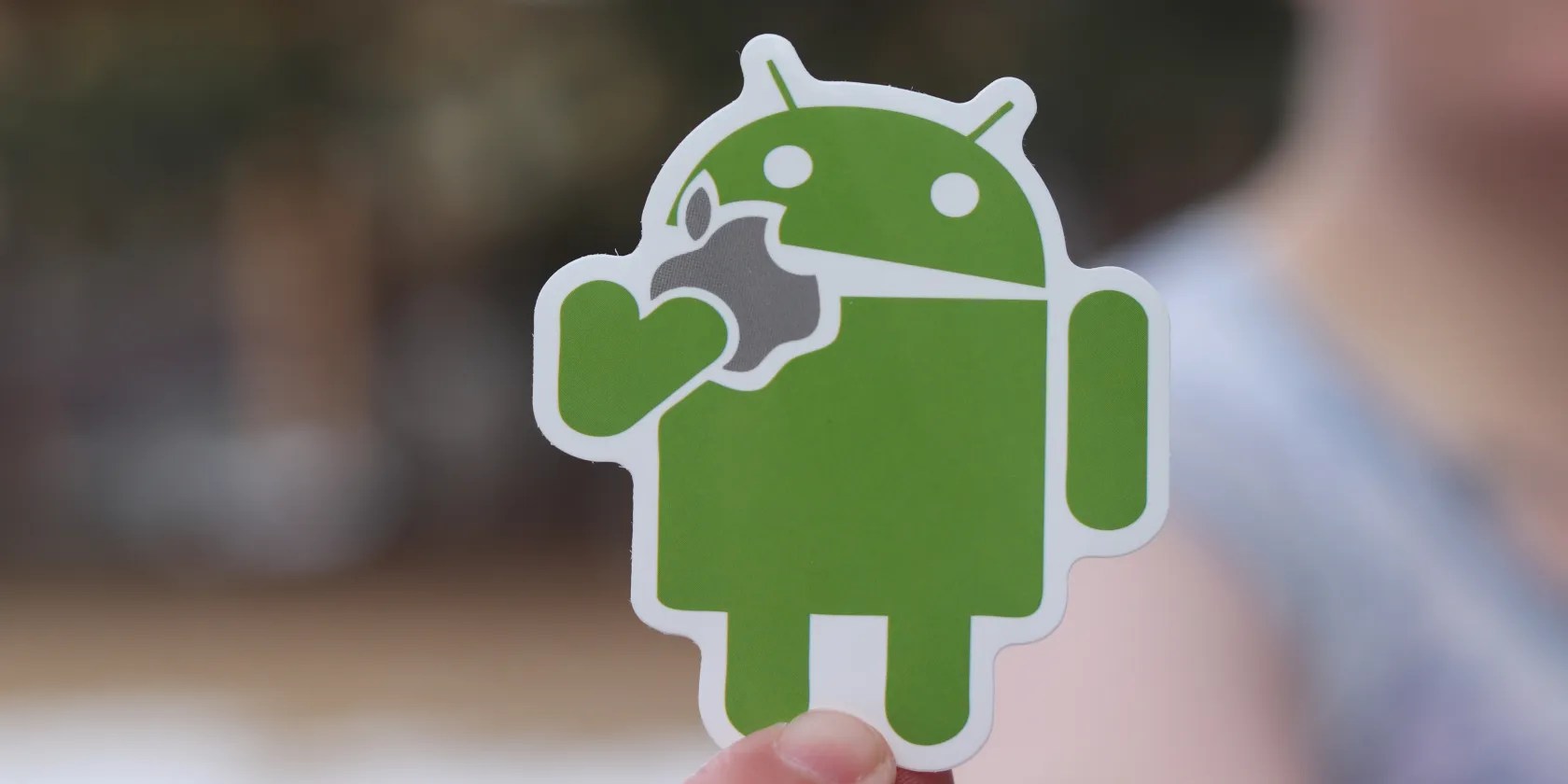
Android’s difficulties in the United States seem to stem from other issues. Whether it’s because people see Apple as a premium brand or one that offers a better ecosystem, it’s clear that Android has some work to do. Here’s how Android can catch up to, or surpass, Apple in popularity in the United States.

What Apple Is Doing Right
According to some estimates, Apple has a market share of 57% in the US, with its strongest competitor, Samsung, holding around 30%. Indeed, iOS has more users in the US than Android. And there are a few reasons why Android might continue to struggle to catch up.
It’s safe to say that one of the biggest is that Apple is a well-respected brand with a loyal customer base. Brilliant marketing helps maintain its popularity and prestige. iOS is also backed by its fantastic security, hardware integration, and customer support.
This translates to safer apps on the App Store, seamless connectivity between Apple devices, and faster resolution times for customer issues.
Plus, Apple has been smart in how it’s built a sticky hardware ecosystem that’s hard to drop. If you ever swap to another brand, you’ll likely have to leave many of your Apple devices behind. So how can Android fight back?

Put a Spotlight on More Affordable Devices
While Apple has improved its model variety to suit different needs and budgets, Android still wears the crown for hardware variety and cost options.
However, if you were to go off of marketing alone, it would seem that Android is almost exclusively available on flagship devices, with similar prices to modern iPhone models. Of course, this type of marketing is supposed to add a premium feel to a device and its operating system.

Highlighting the affordability of some Android devices might reaffirm that it’s an operating system built for people from all walks of life without making it seem like a “cheap” alternative.
Some mid-range or even budget devices have everything you’d need from a daily driver. Sure, some might be missing hardware built to impress, but the focus would be more on having everything you need without overspending. Thebest budget smartphonesare, after all, all Android devices.

Emphasize App Security and Quality
Many developers agree that launching an app on Apple’s App Store can be tedious. But this is with good reason. The company has employees working in a division called App Review that review all apps, updates, bundles, in-app purchases, and in-app events, along with the permissions required to use said apps.
The company goes through the trouble of implementing this rigorous process to ensure that apps are safe, secure, and high-quality.
The Google Play Store, on the other hand, has a lesser reputation regarding app safety, security, and quality. Over time, it’s greatly improved, but it’s still lacking. In one instance,35 apps infected millions of Android devices. If Google could improve the vetting process for apps regarding security and quality, it would significantly improve people’s perception of Android.
Improve and Reduce Fragmentation
Hardware variety for Android is clearly beneficial and serves as a competitive advantage. However, it’s resulted in some pretty significant fragmentation.
Apple’s cohesive device ecosystem is a strong selling point, no doubt. But trying to replicate it with something similar, like Google’s Pixel ecosystem, has drawbacks. Instead, the focus should be on improving integration and connectivity between Android devices with software updates and adjustments.
Becausemanufacturers tweak Android in various ways, it makes it harder for different devices to connect seamlessly and also leads to a vastly different user experience depending on what brand of phone you buy.
Android would benefit from a more polished user experience, with a ground-up analysis of what’s working, what isn’t, and what can be improved significantly. In a best-case scenario, this would be done in the context of reducing fragmentation as much as possible.
Push RCS to Beat iMessage
Exclusive features for operating systems are paramount for attracting and maintaining users. iMessage is an example of an app that keeps users in Apple’s ecosystem. Google’s answer to iMessage might be RCS (Rich Communication Services), but it’s not doing enough to have it compete.
RCS has improved chat features, cross-platform compatibility, and better security, but there’s room for improvement. RCS should be set as the default messaging app protocol for all Android devices. To achieve this, the company needs to work with carriers and help them support the protocol.
Ultimately, though,Google needs Apple to adopt RCS. This would not only make Android phones communicate more reliably with iPhones, it would remove one big obstacle that discourages Apple users from switching platforms.
Centralized and Better Customer Service
Customer service is an area where Apple has a clear advantage. While there’s some debate regarding repair laws and charging for certain levels of customer service, iOS users have a one-stop shop for all software and hardware issues they may have.
With Android, you have to follow a process of elimination to figure out what’s wrong with your device. Issues on Android devices can stem from errors by manufacturers, carriers, a specific version of Android, and in some cases, certain apps. It’s hard to figure out who to contact when you run into a problem on Android.
If Google could find a way to unify and make it easier to contact customer support for a wider array of problems that users run into, it would be a huge win.
Android Can Catch Up to iOS
Android is a fragmented operating system and needs work in quite a few areas. Google should look to polish the OS, improve app security and quality, find ways to spread the use of RCS, and work with manufacturers to centralize customer support.
These are all steps in the right direction to improve how people perceive Android as an operating system and to start competing better with iOS in the United States.
A shift in focus makes it more likely that Android can catch up to iOS. There are many reasons for iPhone users to consider switching to Android. This list of reasons is also likely to expand quickly.
People love Apple products for various reasons, but let us explain why you should avoid them altogether.
Your iPhone forgets what you copy, but this shortcut makes it remember everything.
I found my TV was always listening—so I shut it down.
Anyone with more than a passing interest in motorsports must see these films.
The key is not to spook your friends with over-the-top shenanigans.
Don’t let aging hardware force you into buying expensive upgrades.
