How eReaders Impact Your Sleep and Wellness
Have you ever found yourself tucked in with the latest mystery novel on your Kobo, Nook, or Kindle eReader, loving its portability and the ability to carry an entire library in your pocket? That convenience is hard to resist. And who doesn’t love the simplicity of being able to download the latest bestseller at a single click, the adjustable font sizes, or on some devices, access to free books from your library?
But let’s dim the screen on these devices for a moment. Beyond satisfying your literary needs, your nighttime gadget use could be meddling with your wellness.

What Are eReaders?
eReaders are those pocket-sized gadgets that have transformed the reading world, making your “to-read” pile a whole lot lighter but likely a whole lot longer!
eReaders are dedicated digital devices designed primarily for reading digital e-books. They feature e-ink screens that mimic the look of printed paper, reducing eye strain and giving you that satisfying “book-like” feel. Plus, unlike your laptop or smartphone screens, eReaders don’t emit a significant amount of blue light, which means they are less likely to disturb your sleep cycle.
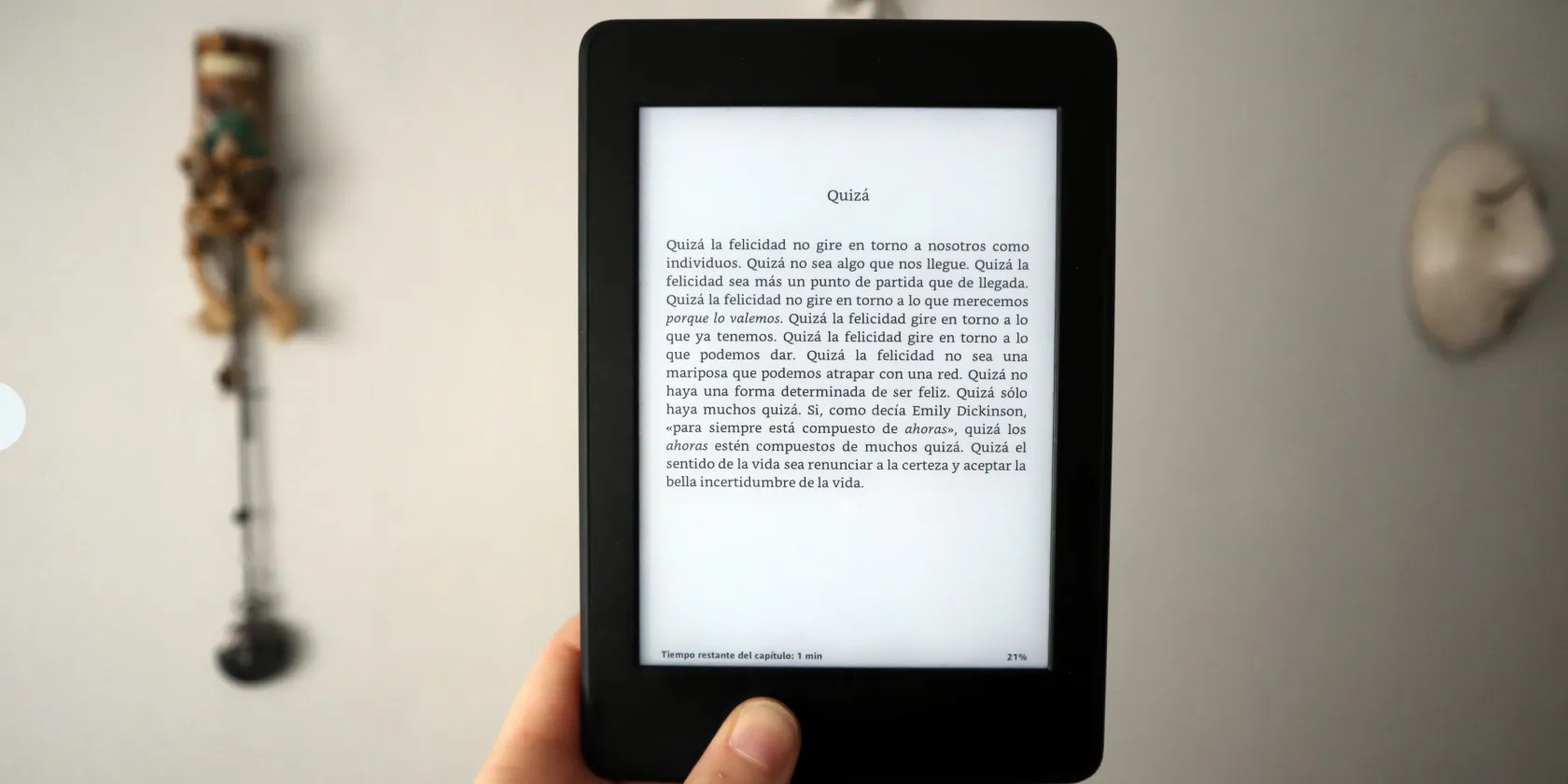
There are several players in this digital book realm. You’ve got yourKindles, with their seamless integration with Amazon’s mammoth e-book store,Nookdevices by Barnes & Noble, and my pick,KoboeReaders (these devices are waterproof, contain zero adds and bloatware, and are able to access the web to download EPUB files directly).
Before choosing a brand and model, be sure you knowwhat to consider when buying an eReader.

eReaders and Sleep: What Science Says
On one hand, eReaders use e-ink technology, which provides a paper-like reading experience without the harsh backlight found in standard screens. This can be a real game-changer because it causes less eye strain and is less likely to mess with your sleep. In fact, using e-ink means thateReaders offer a range of health and wellness benefits.
However, every superhero has its kryptonite, and for eReaders, it’s their built-in light feature. It may be super convenient for late-night reading, but it may also be affecting your sleep more than you think.

Research published byThe Proceedings of the National Academy of Sciences(PNAS) has shown that the light emitted by these devices, even though it’s not considered as “blue” as an iPad or your smartphone, can still negatively affect sleep, circadian timing, and next-morning alertness.
In addition to negatively affecting your sleep,blue light can affect your health in other ways, too.

It seems people’s relationship with eReader technology, like any good story, is complex. While eReaders have made accessing literature easier than ever before, it’s crucial to consider how they might still be impacting your sleep and overall wellness.
eReaders and Wellness: Beyond Sleep
You’ve heard the saying, “The eyes are the windows to the soul,” right? Well, when it comes to eReaders, they might just be the window to our wellness, too. The e-ink technology that mimics real paper reduces eye strain and decreases the chances of headaches and discomfort.
In terms of posture, because eReaders are lightweight and portable, they may encourage better posture and less contortionist-like reading positions, especially at night when you’re trying to read with nothing but a faint bedside lamp. By using an eReader, your back and neck may thank you.
And let’s not forget about convenience and cost. With eReaders, the bookstore is always open, and in most cases, electronic versions of popular books can be purchased for a fraction of the cost of paper or hardback copies.
So, while eReaders may occasionally stir the sleep pot, they’re also doing some solid work in other areas of your life.
Comparing eReaders to Traditional Books and Other Digital Platforms at Bedtime
What do eReaders, traditional books, and other digital platforms have in common? They’re all portals to fantastical worlds, thrilling mysteries, and captivating knowledge. But when it comes to sleep and wellness, they each bring a different flavor to the table.
eReaders are like the porridge in the Goldilocks tale: just right in many ways. With e-ink technology, they’re kind to your eyes, they don’t emit as much sleep-disrupting blue light, and their adjustable settings allow for a tailor-made reading experience. For instance, did you know you cantweak your Kindle settings for a better night-time read?
Let’s not dismiss the classic paper book. Nothing can quite replace the smell of fresh pages or the satisfying snap of a book closing after a good read. Plus, traditional books come with a zero-percent chance of blue light exposure—a clear win for sleep! However, their lack of adjustable text, the need for an external light source, and the potential for a physical strain from heavier volumes remind us that even classics have their cons.
Lastly, let’s turn our attention to other digital platforms, like the iPad. The iPad is like the Swiss army knife of technology—good for reading, web browsing, watching videos, and more. But, unfortunately, it also comes with a heaping side of sleep-disrupting blue light, not to mention the potential for notifications that can disturb your peaceful reading time. And as for eye health, tablets can cause more strain due to screen glare and less “paper-like” reading experience.
Using eReaders While Being Mindful of Sleep
eReaders are a bit of a mixed bag. They offer incredible convenience, accessibility, and a touch of kindness to your eyes, but they might also have some negative impacts on your sleep cycles.
While tablets and traditional books each offer their unique pros and cons, it’s clear that the eReader holds a distinctive space in the world of reading. It bridges the gap between digital versatility and the natural feel of immersing oneself in a book.
By understanding the benefits and potential pitfalls of our bedtime reading habits, you’re able to make choices that help you get the most from your eReader, while still ensuring you catch those crucial Zzz’s.
Some subscriptions are worth the recurring cost, but not these ones.
My foolproof plan is to use Windows 10 until 2030, with the latest security updates.
If an AI can roast you, it can also prep you for emergencies.
Obsidian finally feels complete.
It’s not super flashy, but it can help to keep your computer up and running.
Anyone with more than a passing interest in motorsports must see these films.
