How Secure Are QR Codes? How to Scan Them Safely
QR codes are popular because they can be swiftly read by digital devices and make many things more practical. You can browse websites, download files, and even connect to Wi-Fi networks by scanning a QR code.
But, unfortunately, the usage of QR codes also presents possible security problems.

What Are the Dangers of QR Codes?
Someone can use QR codes to attack both human interaction and automated systems. To take precautions, consider a few examples.
SQL Injection Attack
SQL Injection is an attack vector that hackers use to attack database-driven applications. With this method, they aim to steal the data in a database.
To approach this from a QR code perspective, imagine a scenario where QR decoding software connects to a database and uses QR code information to execute a query. Also, there is aSQL injection vulnerability. In such a scenario, the QR code reader may run your query without verifying whether it comes from an authenticated source. Thus, the hacker can steal the information in the database.
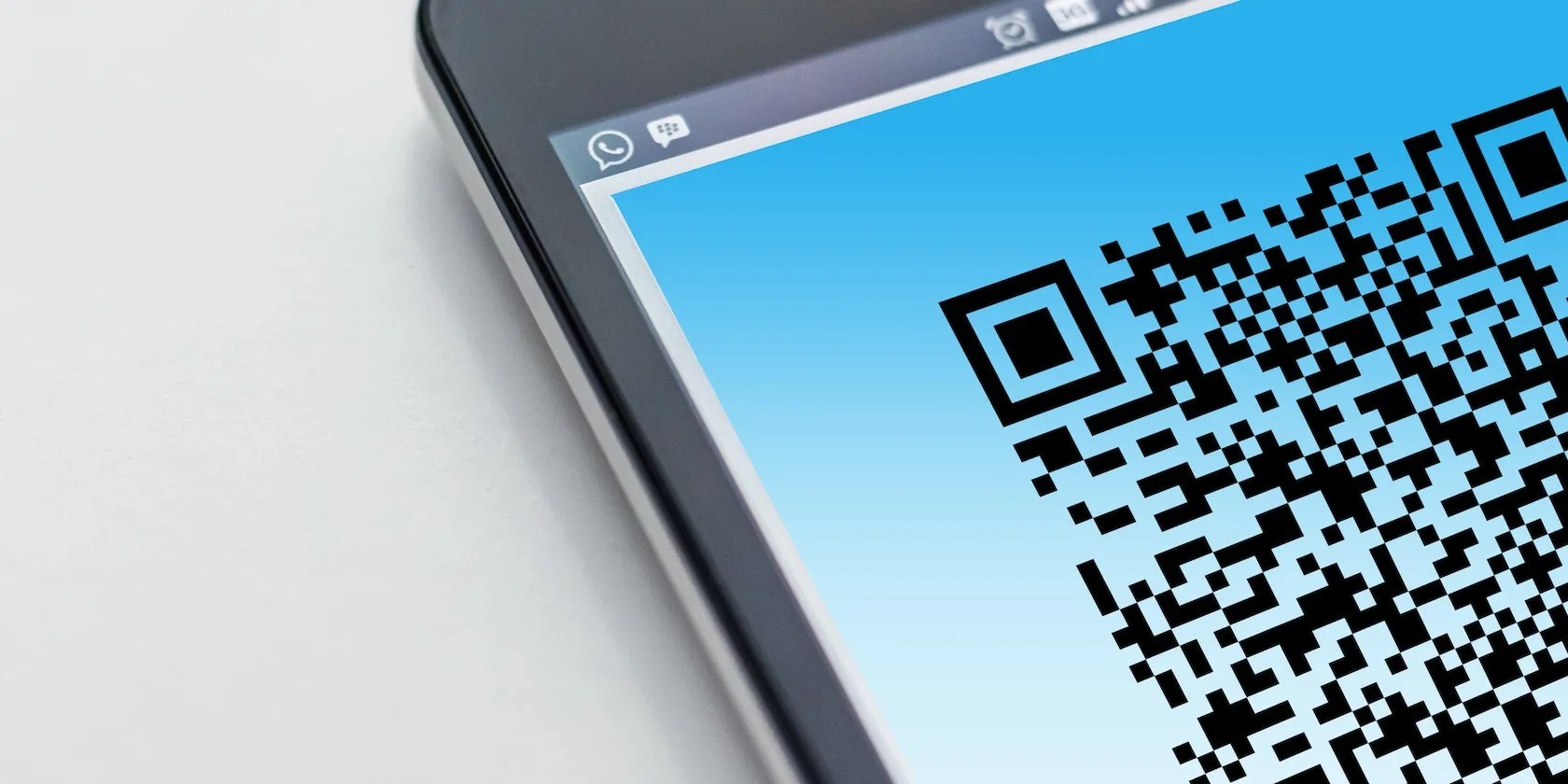
This is neither as tough nor as convoluted as it appears. When you scan a QR code, a link is shown on the QR code reader. By modifying URL parameters, it is possible to carry out attacks such as SQL injection. The URL to which the QR code scanner redirects you may, of course, allow you to carry out such an attack vector.
Command Injection
In the command injection method, an attacker can inject an HTML code that modifies the content of a page. Whenever the user visits the modified page, the web browser interprets the code, resulting in the execution of malicious commands on the device where the user scans the QR code. In other words, this is a situation where the input from the QR code is used as a command-line parameter.
In such a case, an attacker may simply take advantage of the situation by altering the QR code and running arbitrary commands on the machine. An attacker can use this method to deploy rootkits, spyware, and DoS attacks, as well as connect to a distant machine and get access to system resources.

Social Engineering
Social engineering is the general name for manipulating people to gain unauthorized access to their confidential information. Hackers use this method to steal your information or break into a system.Phishing is one of the tacticsmost commonly used.
With phishing, targeted people are forced to click or visit fake websites. QR codes are really useful for this job because a user cannot understand which site to go to by looking at the QR code.

Imagine logging into a site that looks the same as a site like Twitter and has a similar URL. If you enter your login information here, mistaking it for Twitter, you can lose your account to a hacker.
How to Avoid Unsafe QR Codes
At the beginning of the measures that can be taken against the attacks made by hackers with QR codes, the person, who is the weakest link in the security chain, comes first. In other words, a user should be more careful against social engineering attacks and should not scan QR codes whose source is unknown. Since people cannot read QR codes, it can be difficult to know which to trust. This is why you should use secure QR code readers.
Keep the operating system of your mobile device up-to-date and use an application to read QR codes securely. Many modern mobile devices come with a built-in QR code reader in their cameras. However, having a QR code application on the mobile device that allows users to check the URL before visiting it gives them the ability to verify the source of the URL they are about to access. This security check is not possible for QR codes that do not provide any accompanying information. Therefore, all QR code reader apps are required to display the decoded URL to the user before opening the link and asking for their confirmation.

Investigate QR Code Generating Software
Validating thegenerator of a QR codeand testing data integrity will serve as a measure against possible fraud, SQL injection, and command injection attacks. It is important to standardize and integrate digital signatures for QR code authentication and to verify whether the QR code has been altered or not. Digital signatures significantly complicate QR code-based attacks as they require the attacker to modify the checksum and thus alter the verification process.
You should not rely on the numerous QR code generators you may find on the internet. Pay attention to the technology and company behind these generators.
Watch Out for Unsafe URLs
Redirecting visitors to untrusted URLs is one of the most popular QR code assaults, which may lead to phishing attempts and the transmission of malicious software such as viruses, worms, and trojans. To secure the trustworthiness of online material against such assaults, it is critical to validate the content’s legitimacy by determining if the QR code reader program can differentiate between bogus and genuine URLs.
Beware of Executable Codes
To prevent executable codes or commands scanned by a QR code from accessing the resources of the scanning device, it is necessary to isolate the content of the QR code. Isolating the content can help prevent attacks such as privacy breaches, accessing personal information, and using the scanning device forattacks like DDoS and Botnets. The simplest method is to block access of applications, including QR code scanning apps, to the resources of the scanning device (such as a camera, phonebook, photos, location information, etc.).
Use QR Codes, But Carefully
With the fast expansion of technology, QR codes have become a part of our everyday life. You may reduce the risks connected with QR codes by using them wisely and taking measures.
Exercise caution while scanning QR codes encountered on the Internet or in real surroundings. Utilize reputable programs, and keep your devices protected with up-to-date antivirus software. It’s also a good idea not to scan QR codes from suspicious or untrustworthy sites and not to give out personal information.
Do you scan every QR code you see? This clever phishing scam might make you think twice…
you could block out the constant surveillance and restore your privacy with a few quick changes.
My foolproof plan is to use Windows 10 until 2030, with the latest security updates.
Tor spoiled me forever.
Anyone with more than a passing interest in motorsports must see these films.
If an AI can roast you, it can also prep you for emergencies.
